


The computing curriculum in England is under review. If you teach computing, lead it as a subject, or make decisions about technology provision in your school, this affects you. Here is what we know so far, what it means in practical terms, and what you should be doing now to prepare.
Why Is the Curriculum Being Reviewed?
The current computing national curriculum was introduced in 2014. It replaced ICT with a stronger focus on computer science: programming, algorithms, and computational thinking. At the time, it was ahead of most countries. Twelve years on, the world has changed significantly.
Artificial intelligence, machine learning, cybersecurity threats, data privacy, and the sheer volume of technology in daily life have all moved on dramatically since 2014. The curriculum review aims to update what children learn about computing to reflect the technology they will actually use and work with as adults.
What Is Likely to Change
The full revised curriculum has not been published at the time of writing. However, based on the consultation documents, expert panel recommendations, and DfE direction of travel, these areas are expected to receive greater emphasis:
Artificial Intelligence and Machine Learning
The current curriculum does not mention AI at all. The revised version is expected to introduce age-appropriate AI concepts from KS2 onwards. This does not mean teaching children to build neural networks. It means helping them understand what AI is, how it makes decisions, where it is already present in their lives, and how to use AI tools responsibly.
For primary schools, this might look like: understanding that recommendation algorithms choose what they see online, recognising that voice assistants use AI, and exploring how a simple classification model works using sorting activities.
Cybersecurity and Online Safety
Online safety is already covered, but the review is expected to strengthen the cybersecurity element. Children growing up now need to understand not just how to stay safe online personally, but how systems are protected. Password security, data encryption concepts, phishing recognition, and the basics of how networks are secured are all likely to feature more prominently.
Data Literacy
Understanding data, how it is collected, stored, analysed, and used, is becoming a fundamental skill. The review is expected to give data literacy a clearer place in the curriculum, moving beyond simple spreadsheet skills to understanding datasets, bias in data, and how data drives decisions in business, government, and everyday apps.
Creative and Applied Computing
The current curriculum has been criticised for being too abstract for some children, particularly in primary schools where teachers may lack computing confidence. The review is likely to place greater emphasis on applied computing: using technology to solve real problems, create digital content, and automate tasks. This makes computing more accessible and more obviously relevant.

What Is Likely to Stay
Programming is not going anywhere. The fundamentals of algorithms, sequencing, selection, repetition, and variables remain at the core. If your school is teaching these well already, you are in a strong position. The review is adding to the curriculum, not replacing its foundations.
Digital literacy (using technology effectively and safely) will also remain, though the specific skills may be updated to reflect current tools and platforms.
What This Means for Primary Schools
Primary schools face the biggest adjustment because many are already stretched on computing. A 2024 survey by the National Centre for Computing Education found that 40% of primary teachers rated their confidence in teaching computing as low or very low. Adding AI, cybersecurity, and data literacy to the curriculum without additional support risks widening that gap.
Practical steps you can take now:
- Audit your current provision. Map what you currently teach in computing against the likely new requirements. Identify the gaps. AI and cybersecurity are the most common ones.
- Invest in staff CPD. The National Centre for Computing Education (Teach Computing) offers funded training for primary and secondary teachers. Their courses are free and cover computing fundamentals, programming, and the newer topics.
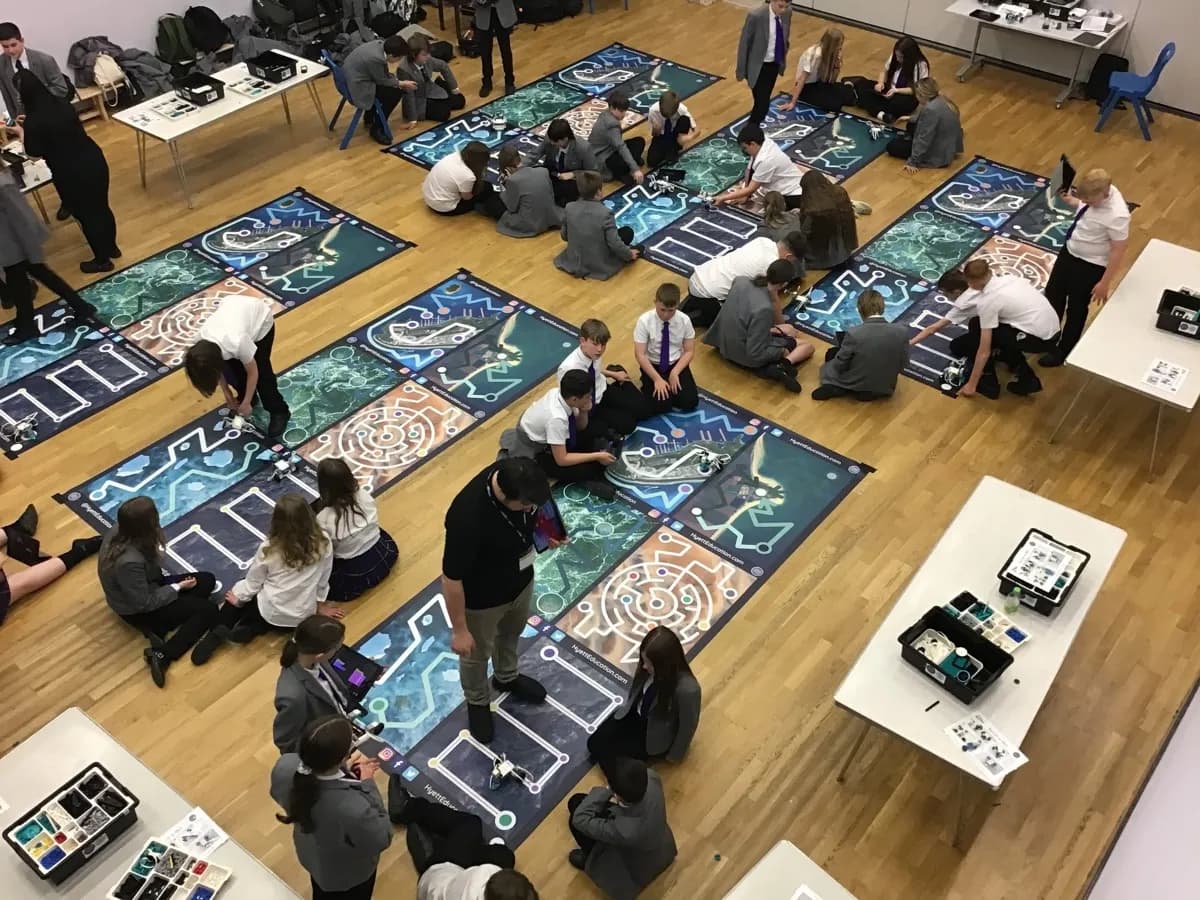
- Use specialist workshops to fill gaps. While your staff build confidence, external workshops can deliver the topics where you lack expertise. AI, cybersecurity, and robotics are areas where specialist providers add the most value because they bring both knowledge and equipment.
- Review your hardware. Does your current equipment support what the new curriculum will require? Tablets, laptops, or Chromebooks with internet access are the baseline. Programmable devices (micro:bits, robots) extend what you can deliver.
What This Means for Secondary Schools
Secondary schools generally have stronger computing expertise, but the curriculum changes still require attention. AI and machine learning concepts will need integrating into KS3 schemes of work. GCSE and A-level specifications may be updated to reflect the new curriculum foundations.
The bigger challenge for secondary schools may be engagement. Computing uptake at GCSE has plateaued in recent years. Making the subject feel relevant, practical, and connected to real careers is essential. The curriculum changes should help with this by introducing more applied and contemporary content.
Timeline
The DfE has indicated that the revised curriculum will be published with an implementation period to allow schools time to prepare. Based on previous curriculum changes, expect:
- Final curriculum published: expected 2026
- Implementation period: typically 1–2 years
- Schools teaching the full revised curriculum: likely 2027–28 academic year
This gives you time, but not unlimited time. Schools that start preparing now will transition smoothly. Schools that wait for the final document will scramble.
How We Can Help
Our workshop programme already covers several of the areas the curriculum review is expected to emphasise. Our AI and Machine Learning workshops teach children how AI works through hands-on activities with real tools. Our Cybersecurity workshops cover encryption, password security, and ethical hacking in age-appropriate ways. Our robotics workshops deliver programming fundamentals through physical computing.
If you want to start addressing the curriculum gaps before the new requirements land, these workshops are a practical starting point. They give children experience with the topics while giving your staff a chance to see how they can be taught. Get a price for your school using our instant quote tool.
Frequently Asked Questions
What is changing in the computing curriculum?
The DfE is reviewing the computing curriculum to ensure it reflects technological developments including AI, data science, and cybersecurity. Changes are likely to include stronger emphasis on AI literacy, more focus on data handling and analysis, and updated expectations around online safety and digital citizenship.
When will computing curriculum changes take effect?
The curriculum review is ongoing throughout 2026. Schools should expect consultation documents followed by a transition period before mandatory implementation. In the meantime, schools that already teach AI, data, and cybersecurity will be well positioned for any changes.
How can schools prepare for computing curriculum changes?
Audit your current computing provision against likely changes. Invest in staff CPD around AI and data literacy. Ensure students are getting hands-on experience with physical computing, not just screen-based activities. Consider workshops that introduce AI and cybersecurity concepts ahead of curriculum requirements.