



School trips are a valuable part of education. Nobody is arguing otherwise. But if you’ve ever organised one, you know the number on the initial quote is only the beginning. The real cost of a school trip is scattered across half a dozen budget lines, several colleagues’ diaries, and a fair amount of goodwill. Let’s be honest about what a trip actually costs — and whether there are times when the same enrichment goals can be met more efficiently.
The Costs Everyone Sees
These are the obvious ones. Transport hire, venue entry fees, and maybe a workshop booking at the destination. For a typical KS2 day trip, you might be looking at £8–£15 per child for transport alone, depending on distance, plus venue charges on top. These are the figures that appear on the letter home, and they’re the ones parents and governors scrutinise. But they’re only part of the picture.
The Costs Nobody Talks About
Supply Cover
Every teacher who goes on a trip needs covering back at school. At £180–£250 per day for a supply teacher, a trip involving two class teachers and a teaching assistant can quietly add £400–£600 to the real cost. This rarely appears in the trip budget because it comes from the school’s general staffing allocation, but it’s money spent nonetheless.
Staff Planning Time
Organising a school trip is a significant administrative task. Risk assessments, pre-visits, booking confirmations, transport logistics, medical forms, dietary requirements, emergency contacts, and contingency planning all take hours of staff time. Time that could be spent on teaching, marking, or professional development. This is an invisible cost, but it’s real.
Parent Letters and Consent
Drafting permission letters, chasing returns, handling queries from anxious parents, managing the children who haven’t returned their forms by the deadline — it all adds up. For schools using online systems, the admin is lighter, but it’s still there. And there’s always at least one form that arrives crumpled at the bottom of a book bag on the morning of the trip.
Packed Lunches and Dietary Management
Children who normally have school dinners need packed lunches. Depending on your school’s approach, this might mean the kitchen prepares them (at a cost) or parents provide them (which creates its own issues around forgotten lunches, allergies, and the inevitable child who brings nothing but a bag of crisps and a chocolate bar). Free School Meal provision adds another layer of logistics.
Insurance and Risk
Most schools carry trip insurance through their local authority or trust, but there are still liability considerations and, in some cases, additional premiums for higher-risk activities. The risk assessment process itself, while essential, represents a genuine time investment — particularly for new venues or activities.
Lost Learning Time
A full-day trip typically means an early departure and a late return. Factor in settling time, transition time, travel delays, and the general excitement-induced chaos of the day before and after, and you’re often looking at disruption across two or three days of timetabled learning. For Year 6 teachers in the spring term, that calculation weighs heavily.
What This Adds Up To
When you total the visible and invisible costs, a school trip that looks like £12 per child on paper can easily reach £25–£35 per child in real terms. For a two-form entry year group of 60 children, that’s £1,500–£2,100 of actual expenditure and staff time. That’s not a reason never to run trips — but it is a reason to think carefully about what you’re getting for the investment.

The In-School Alternative
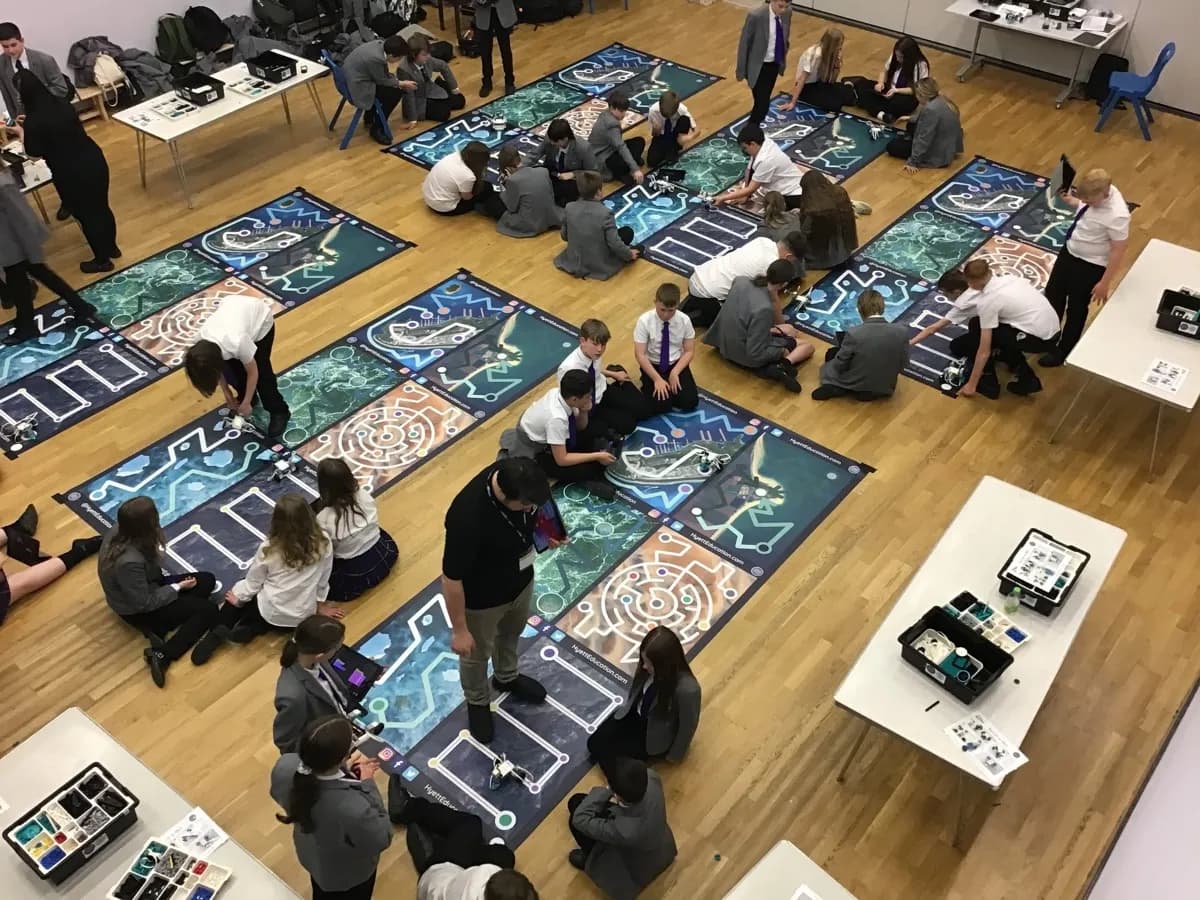
An in-school workshop flips most of these costs on their head. There’s no transport to book, no supply cover needed, no permission letters to chase, no packed lunches to organise, and no risk assessment beyond checking that your hall is available. The price quoted is the price paid — equipment, expertise, and curriculum-linked content included.
More importantly, every child participates. There are no opt-outs due to cost, no children left behind because a consent form wasn’t returned, and no anxiety about unfamiliar environments. The enrichment happens within the school day, in a familiar setting, with every student included.
Our STEM workshops are designed to deliver genuine enrichment without the logistical overhead. We bring all the equipment, our instructors are DBS-checked and experienced, and every session is aligned to the national curriculum. If you want to see what it would cost for your school, our instant quote tool gives you a transparent, all-inclusive price in seconds.
It’s Not Either/Or
The best schools use a mix of trips and in-school provision. Trips offer experiences that genuinely can’t be replicated in a classroom — museums, field studies, cultural venues. But for curriculum enrichment where the goal is hands-on learning, skill development, and inspiring every child in the year group, an in-school workshop often delivers more impact per pound. The key is being honest about the full cost of each option and choosing the right tool for the right job.
Frequently Asked Questions
How much does a typical school trip cost per pupil?
When you factor in transport, venue entry, staff cover, packed lunches, risk assessments, and administration, a school trip for 90 students typically costs over £2,000. The per-pupil cost often exceeds £22, compared with around £2.50 per pupil for an in-school workshop.
What are the hidden costs of school trips?
Hidden costs include supply teacher cover (£200+ per day), staff overtime for planning and risk assessments, insurance top-ups, first aid provisions, parent communication time, and lost curriculum time on travel days. These are rarely included in the headline price quoted to parents.
Are in-school workshops cheaper than school trips?
Yes. A full-day in-school STEM workshop costs from £597 and reaches up to 240 students with no transport, no cover costs, and no risk assessments. This makes the per-pupil cost a fraction of a comparable off-site trip.