
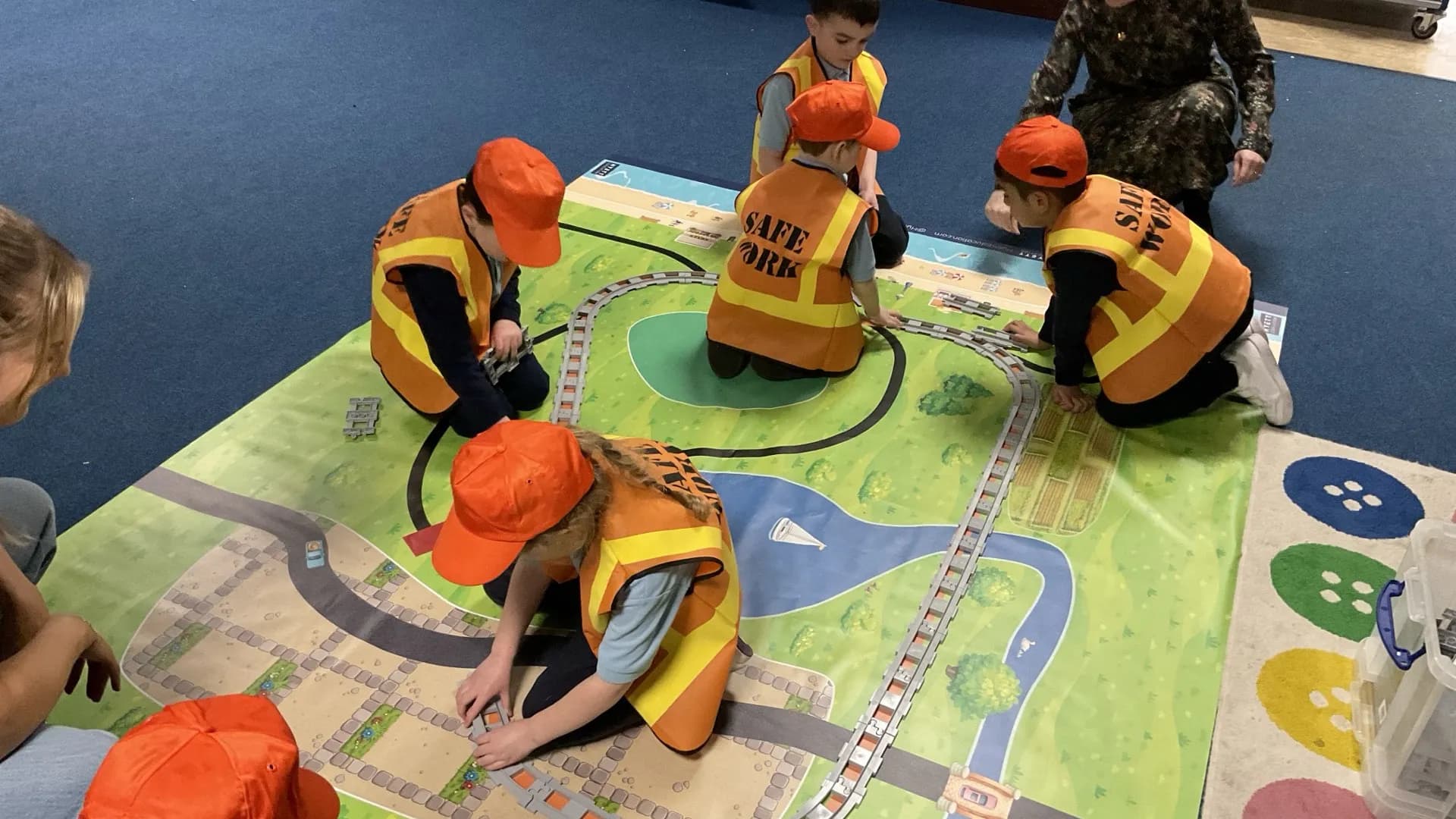
In-House STEM Days vs Booking an External Provider
The practical choice depends on your existing resources, staff time, equipment and responsibilities. Compare those inputs with the scope and price in a current written provider quote.



What Does Running Your Own STEM Day Involve?
A DIY STEM day means your teaching staff plan and deliver enrichment activities using school resources or newly purchased equipment. Someone needs to choose the activities, source the equipment, write risk assessments, create lesson plans, and deliver the sessions.
In-house delivery can work where the school has suitable equipment, plans, staff expertise and time. The workload depends on what already exists and the selected activity, so schools should identify who will own each task before comparing options.
In-house delivery may support staff capability and reuse existing resources; external delivery may provide specialist content and equipment for a defined booking. Neither model is automatically cheaper or better, so compare like-for-like scope and responsibilities.
At a Glance
Side-by-Side Comparison
What it takes to run a STEM day yourself versus booking an external provider.
DIY In-House
- Planning timeVaries with the chosen activity, existing plans and staff experience
- Equipment costUse current supplier quotes, including licences, storage and replacements
- Staff expertiseDepends on the activity and available staff experience or training
- Technical failure riskManaged by the school through testing, updates and contingency planning
- Delivery consistencyDepends on plans, staffing, equipment and the school’s quality assurance
- Cost per eventCalculate current staff time, equipment, licences and consumables
- SafeguardingSchool policies and normal staffing arrangements apply
- Curriculum linksThe school selects links relevant to its cohort and UK jurisdiction
External Provider
- Planning timeSchool agrees the format, cohort and setup; provider plans the booked workshop
- Equipment costBooked-format equipment and consumables are identified in the written quote
- Staff expertiseAssigned specialist instructor with booking-specific vetting evidence
- Technical failure riskProvider inspects its booked equipment and plans contingencies; risk is not zero
- Delivery consistencyBooked scope is confirmed in writing; delivery still responds to the cohort
- Cost per eventCurrent written quote shows price, VAT status and included services
- SafeguardingEnhanced DBS checks, insurance and activity risk assessment
- Curriculum linksProduct-specific links for the relevant cohort and UK jurisdiction
Cost Inputs for an In-House STEM Day
Use the school’s current figures rather than a generic estimate. Relevant inputs may include:
- Teacher planning time: estimate for the selected activity, existing resources and staff experience
- Equipment research and procurement: comparing products, placing orders, chasing deliveries
- Activity risk assessment: the school determines and records the controls needed for its activity and site
- Staff training: learning to use unfamiliar technology before teaching it
- Equipment maintenance: charging, updating firmware, replacing broken parts
- Day-of troubleshooting: when the robots will not connect or the software needs updating
There is no single reliable cost for either model. Compare documented school-side costs with a current written provider quote, checking VAT, included equipment and consumables, school setup duties and any optional services.
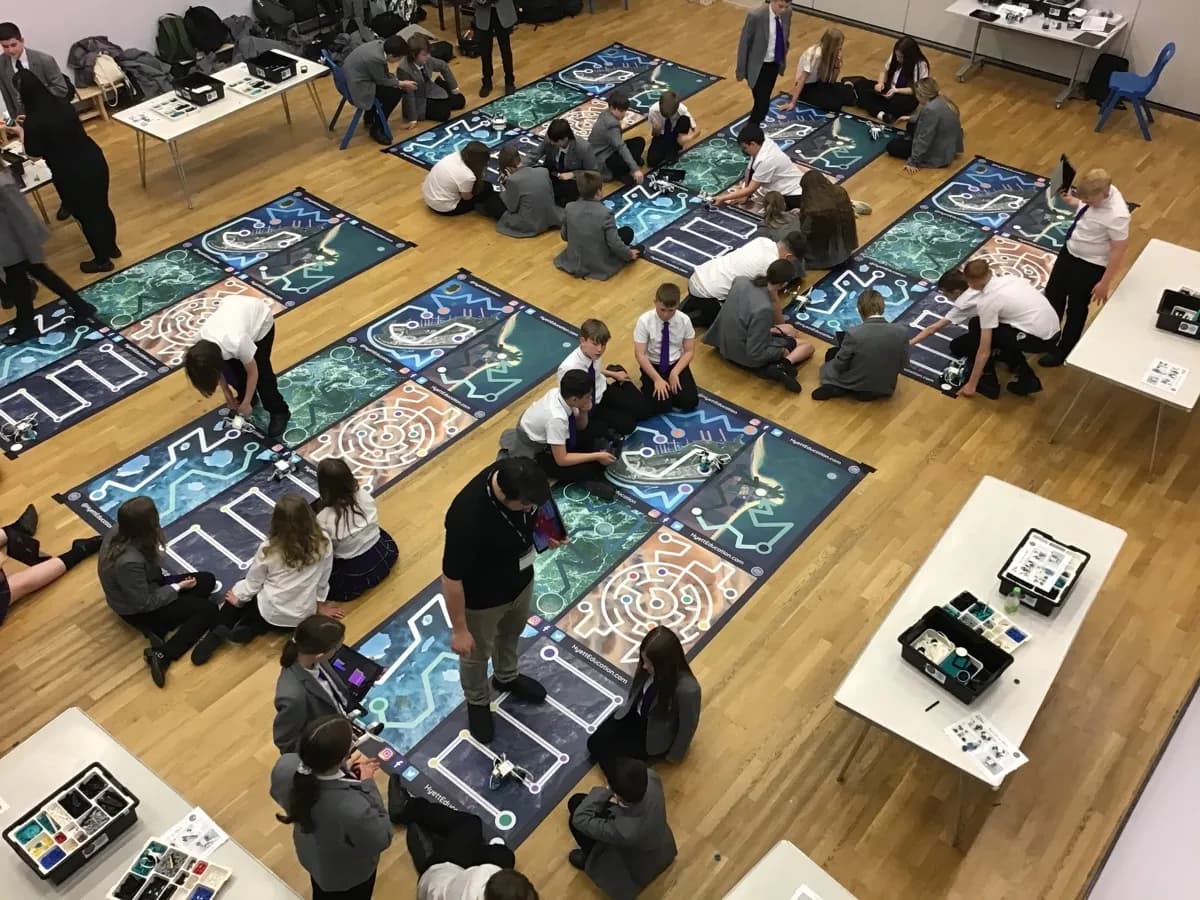
The Equipment Reality Check
Buying STEM equipment can create capital, licensing, storage and maintenance costs. Market prices change, so schools should use current supplier quotes for the products, quantities and support they need.
Owned equipment may need charging, inspection, software or firmware updates, replacement parts and licence management. The school can assess these tasks against its existing systems and staff capacity.
For external delivery, the provider inspects and maintains the specialist equipment identified for the booked format and manages equipment faults under its delivery plan. The school still supplies the agreed room, tables, chairs, power and any confirmed connectivity.
Staff Workload to Compare
In-house delivery may require activity selection, lesson plans, risk assessment work, equipment guidance and session instructions. How much must be created or adapted depends on the resources the school already has.
Schools should identify the staff responsible for planning, preparation, delivery, technical support and follow-up, then estimate time using their own timetable and workload arrangements.
With an external booking, the provider handles the specialist content and the booked-format equipment. School staff still coordinate the cohort and timetable, provide the agreed setup and retain normal on-site, safeguarding and supervision duties.
Which Provides Stronger Ofsted Evidence?
Since November 2025, inspections of state-funded schools in England no longer produce an overall effectiveness grade. Evaluation areas include curriculum and teaching, inclusion, achievement, attendance and behaviour, personal development and wellbeing, and leadership and governance; safeguarding is reported as met or not met. Workshop records may form part of a school’s own evidence, but a workshop does not guarantee or determine an inspection evaluation.
Curriculum & Teaching
Either approach can be recorded against the school’s planned curriculum where the activity is deliberately linked and followed up.
Personal Development & Wellbeing
Either model may contribute where the activity is relevant. A provider may add specialist equipment or career context specified for the booked product.
Attendance & Behaviour
Staff may record observed participation and behaviour, without treating one activity as proof of a wider evaluation.
Inclusion, Achievement & Leadership
Schools can retain access, pupil-work, spending and follow-up records for their own evaluation.
A provider supplies the curriculum and participation records, and the school decides how they fit its wider evidence. Inspectors no longer carry out curriculum deep dives, and no single workshop determines an evaluation.
FAQ
Frequently Asked Questions
Further Reading
Related Articles
In-School Workshops vs School Trips
Cost, value, and impact compared.
Read articleSTEM Workshops vs Science Shows
Hands-on learning vs entertainment for schools.
Read articleThe Complete Guide to STEM Workshops
A practical guide to planning STEM workshops for UK schools.
Read articleBrowse All Workshops
See our full range of robotics, coding, and engineering workshops.
Read article