
STEM Workshops vs Science Shows
Both can bring practical STEM activity to a school. Compare the quoted format, participant role, selected curriculum connections, capacity and evidence supplied.



What Is the Difference?
A science show is a live performance, usually delivered in a school assembly. A presenter demonstrates experiments, often with dramatic effects like fire, liquid nitrogen, or dry ice. Students sit in rows and watch. The show typically lasts 45 to 60 minutes and is aimed at one or two year groups at a time.
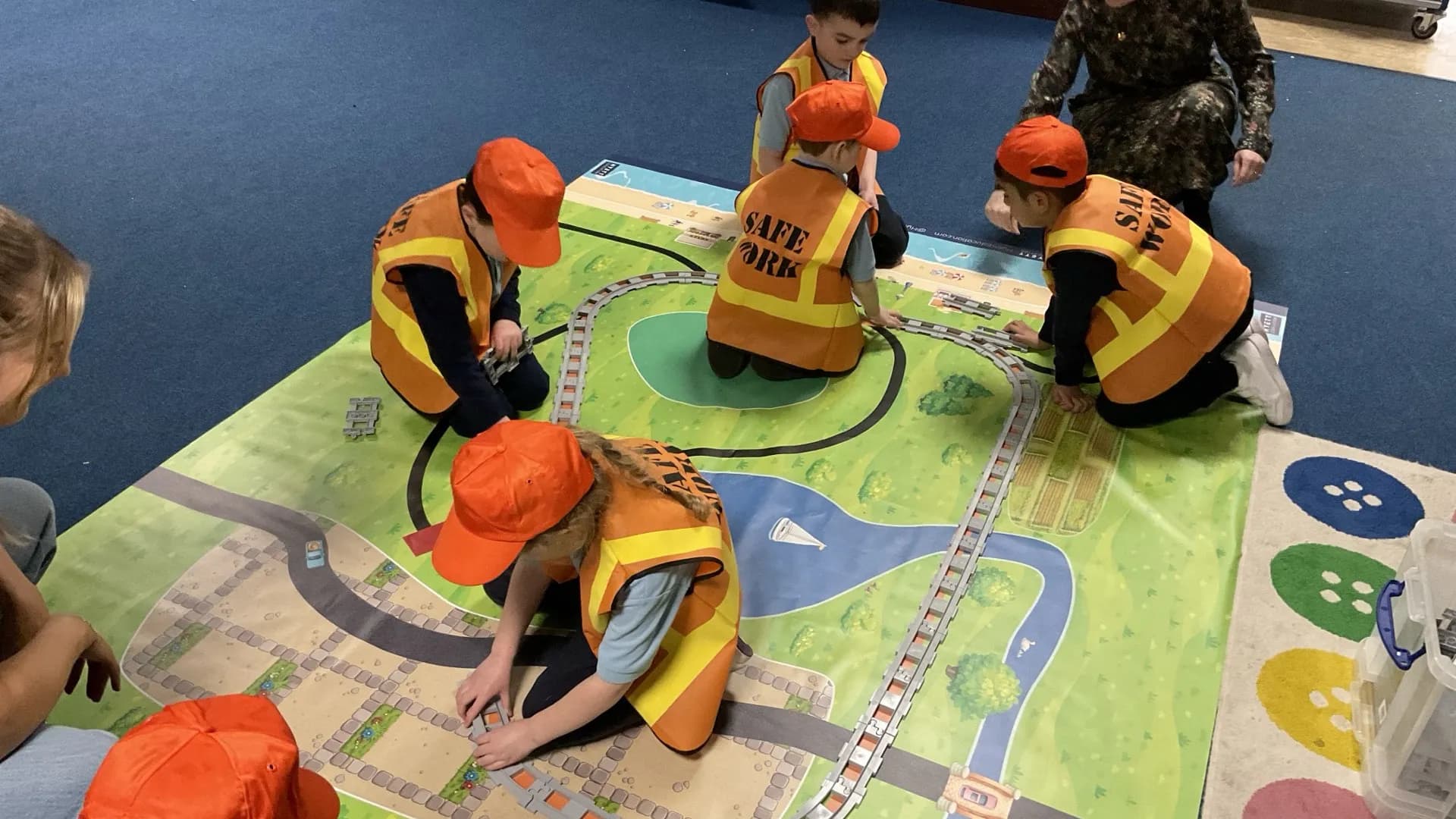
A STEM workshop is a hands-on learning session. Students work in small groups with real equipment: robots, drones, coding tools, circuits, or 3D printers. A specialist instructor guides them through structured activities that are mapped to the National Curriculum. Rotating sessions can be planned through the day, with participating groups and capacities confirmed in the quote and agreed timetable.
Both have a place in a school enrichment calendar. The question is which one delivers the outcomes you need.
At a Glance
How Do They Compare?
A practical comparison across the factors that matter most when choosing enrichment.
Science Show
- FormatAssembly-style performance, students seated
- Student roleWatching and reacting
- Curriculum linkLoose, typically science-only
- CostVaries by provider, format and travel
- Students reachedOne year group per show
- EquipmentPresenter’s own demonstration kit
- Follow-upLimited, usually a worksheet
- School recordsRecords for those who attend
STEM Workshop
- FormatRotating small-group sessions, hands-on
- Student roleBuilding, programming, testing, problem-solving
- Curriculum linkMapped to computing, D&T, science curriculum
- CostFrom £597 per day, excluding VAT; exact quote varies
- Students reachedVaries by workshop, key stage and format
- EquipmentProfessional robots, drones, 3D printers, coding tools
- Follow-upTeacher resource packs, cross-curricular links
- School recordsParticipation and curriculum records can be retained
What Do Students Actually Learn?
This is the key difference. Science shows spark wonder, which matters. But wonder without follow-up fades quickly.
After a science show, students can typically recall that something dramatic happened. They might remember the fire or the explosion. But without hands-on practice, the underlying concepts rarely stick.
After a STEM workshop, students can describe what they built, how they programmed it, and why it worked (or did not). They have practised computational thinking, iterative design, and collaborative problem-solving. These are skills they can transfer.
If your goal is a fun one-off event, a science show works. If your goal is measurable learning aligned to the curriculum, a workshop is the stronger choice.
Engagement Is Not the Same as Understanding
Science shows score high on engagement. The room is excited, the children are loud, the feedback forms are positive. But engagement and understanding are different things.
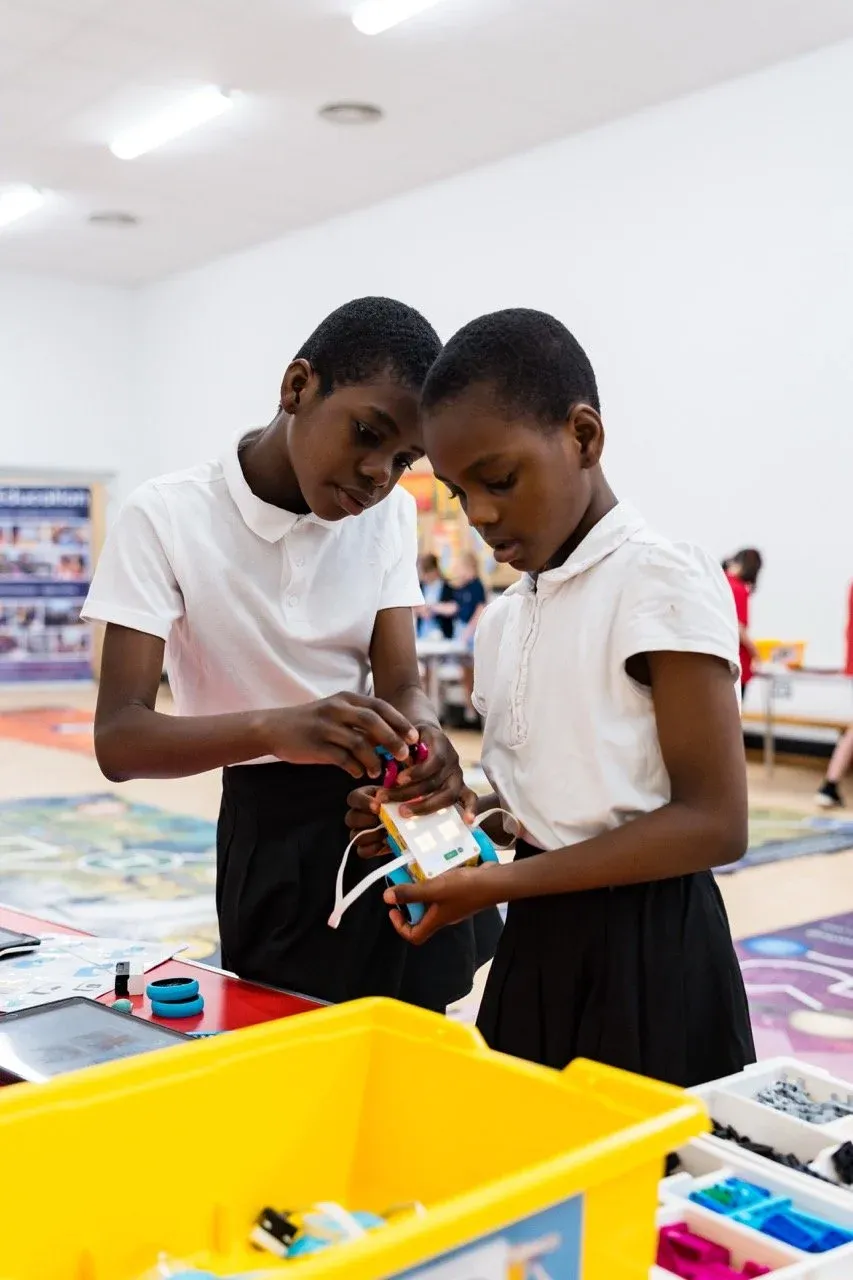
A student can be thrilled by a liquid nitrogen demonstration and still not understand what is happening at a molecular level. A student who builds and programs a robot to solve a challenge has to understand the logic to succeed.
The best enrichment does both: engages and teaches. Hands-on workshops achieve this because students are active participants, not passive viewers.
Which Provides Stronger Ofsted Evidence?
Records of either activity form part of a school’s own evidence. Since November 2025 Ofsted reports separately graded evaluation areas rather than one overall grade, and a hands-on workshop contributes to several of them. Useful records describe the intended curriculum link, who participated, what pupils did and how the school evaluated the activity.
Curriculum & Teaching
A school can retain curriculum links and pupil work where either activity is deliberately connected to its curriculum.
Personal Development & Wellbeing
Schools may record planned and observed opportunities for STEM career awareness, teamwork and problem-solving.
Attendance & Behaviour
Staff may record observed participation and behaviour without treating a single event as proof of a wider evaluation.
Inclusion, Achievement & Leadership
Schools can retain participation, access, pupil-work and planning records for their own evaluation.
Workshop records form part of the school’s own evidence. Inspectors no longer carry out curriculum deep dives, and no single workshop determines an evaluation.
FAQ
Frequently Asked Questions
Further Reading
Related Articles
In-School Workshops vs School Trips
Cost, value, and impact compared for UK schools.
Read articleThe Complete Guide to STEM Workshops
Everything UK schools need to know about types, costs, and funding.
Read articleRecording and Evaluating STEM Enrichment
How schools can record curriculum links, participation and learning within their own evaluation.
Read articleBrowse All STEM Workshops
See our full range of robotics, coding, and engineering workshops.
Read article